

Washing and Laundry Blog
The Best Tips for Drying Clothes Indoors and Outdoors

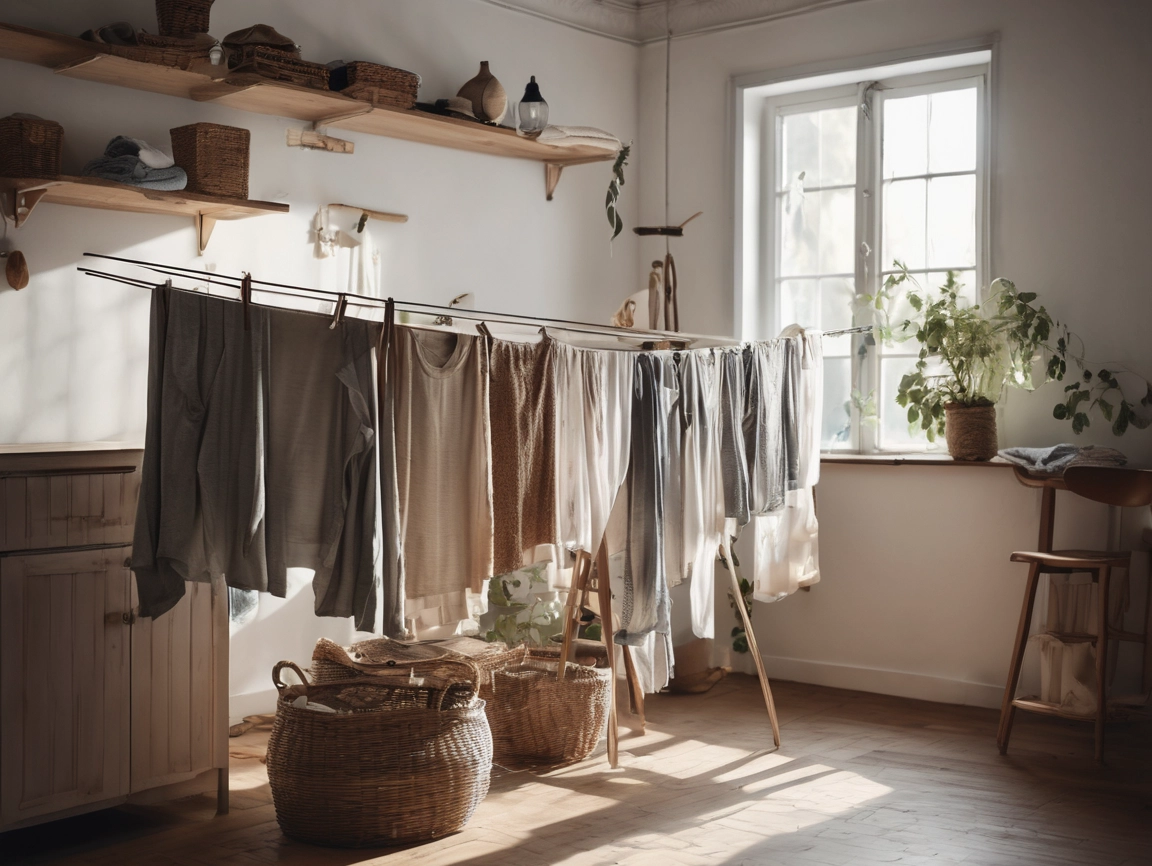
Drying Makes the Difference
You have done the washing. The machine has worked its magic, your laundry is beautifully clean and your favourite Distinctive fragrance is now woven through your clothes, bedding and towels.
But the washing cycle is only part of the story.
How you dry your laundry can make a real difference to how quickly it dries, how fresh it smells, how your fabrics feel and how well the fragrance remains.
During the warmer months, there is nothing quite like the sight of washing moving gently on the line. But when the weather turns, drying clothes indoors can quickly become a challenge – especially when you have family loads, bedding and towels all competing for space.
Whether you are drying clothes indoors, outdoors or using a combination of both, these are our best tips for getting your laundry dry, fresh and ready to enjoy.
Why How You Dry Your Laundry Matters
It is tempting to think that once the washing machine has finished, the hard work is over.
But drying is an important part of caring for your laundry.
Dry clothes too slowly and they can begin to smell less fresh. Dry them in a cramped space with little airflow and your home can soon feel overwhelmed by damp washing. Use excessive heat and some fabrics — and the fragrance you love — may not be at their best.
A good drying routine is about finding the right balance between:
- Airflow
- Space
- Drying time
- Fabric care
- Freshness
- Preserving fragrance
The good news is that a few simple changes can make a big difference.

How to Dry Clothes Indoors
Drying clothes indoors is a fact of life in the UK, particularly during colder or wetter months.
The key is not simply to put your washing on an airer and wait. Where and how you position your laundry can help it dry more efficiently.
Drying Clothes Indoors: Smart Tips for Every Home
1. Choose A Well Ventilated Space
When drying clothes indoors, airflow is one of the most important things to consider.
Choose a room with enough space around the airer and, where practical, allow fresh air to circulate. Opening a window occasionally or using a de humidifier can help prevent the room from becoming excessively humid.
The aim is simple: give the moisture somewhere to go.
Heat rises, so upstairs spaces such as a landing can be ideal for air-drying laundry if you’ll be out for the day. The open space helps air circulate and speeds up drying. Avoid drying in the bathroom, where the high humidity can actually slow down the process.
2. Give Your Clothes Room to Breathe
It can be tempting to fit as much as possible onto the airer.
But overcrowding slows everything down.
Leave space between garments wherever you can so that air can circulate around each item. Larger items, such as towels, bedding and thicker clothing, will benefit from being opened out fully rather than folded over several rails.
A little more space can mean a noticeably quicker drying time.
3. Hang Clothes Neatly
The way you hang your laundry can also save time later.
Shirts can be placed on hangers to help them keep their shape. Trousers can be hung from the waistband, while lighter garments can be gently stretched into shape before drying.
This can help reduce deep creases and make ironing easier.
For larger items, such as sheets and duvet covers, open them out as much as possible. If they begin to dry unevenly, turn or reposition them partway through.
4. How to Dry Clothes Faster Indoors
If you are looking at a full airer and wondering how long it will take, there are several ways to help speed things up.
Before drying, make sure your washing machine has removed as much water as is suitable for the fabric. A good spin cycle can make a significant difference.
Then focus on:
- Good airflow around the clothes
- Space between garments
- Turning thicker items during drying
- Keeping heavy fabrics unfolded
- Moving clothes once the outside sections have dried
Sometimes simply rearranging the washing halfway through can help everything dry more evenly.
5. Consider an Electric Heated Airer or Dehumidifier
A heated airer can be a useful option for households that regularly dry clothes indoors.
It can help speed up drying without relying on a full tumble dryer, and many people find them particularly useful for everyday clothing and smaller loads.
Covered versions can also help create a more enclosed drying environment.
As with any drying method, avoid overcrowding the rails. Even with added warmth, airflow still matters. This is where a dehumidifier comes into its own as it not only removes the moisture from the air but it also creates a steady flow of air. They remove an awful lot of water from the air and are particularly helpful in smaller less ventilated spaces.
6. Be careful with radiators
We all do it, as in the winter months it is super quick and the heating is already on. Placing clothes on radiators does dry them quickly.
Over-use can cause condensation and even black mould on walls or windowsills, this is a particular risk in smaller homes that go from cold to hot and are very wet often. If you notice any mould spots from windowsills above radiators, wipe them away promptly to protect your home and your health.

A sheet or towel that feels almost dry may still hold moisture within its thicker folds. Giving it a little longer is always better than putting damp laundry straight into a cupboard.
How to Avoid Damp Smells When Drying Clothes Indoors
There is nothing more disappointing than taking beautifully washed clothes from the machine, only to find that they have developed a slightly damp or musty smell before they are fully dry.
The best way to avoid this is to avoid leaving wet washing sitting in the machine for long periods and to get it onto the airer as soon as you can.
Then make sure your laundry has enough:
- Space
- Airflow
- Time to dry properly
Thicker fabrics, such as towels, hoodies and bedding, may take longer than lighter clothing.
Always check that items are completely dry before folding them away.
Avoid Drying Clothes Indoors While You Are Cooking
One thing that is often overlooked when drying laundry indoors is what is happening around it.
Wet or damp fabrics can easily pick up surrounding odours. Much like freshly washed hair can absorb the smell of cooking, smoke or a busy kitchen, damp laundry can also take on the aromas around it while it is drying.
If you are cooking something particularly fragrant – whether that is fried food, spices, garlic or a strong curry — it is worth thinking about where your airer is positioned.
You may have started with beautifully clean, freshly fragranced laundry, but if it is drying nearby while strong cooking smells fill the room, those odours can settle into the damp fabric.
Where possible, try to avoid drying clothes in or close to the kitchen while cooking. Choose a separate, well-ventilated space instead and allow your laundry to dry away from strong household smells.
After all, you want your bedding, towels and clothes to carry the fragrance you chose – not the memory of last night’s dinner.
How to Dry Clothes Outdoors

When the weather allows, outdoor drying is one of life’s simple pleasures.
Fresh air, moving laundry and the satisfaction of bringing everything back inside dry and ready to put away.
But it is not only sunshine that helps your washing dry.
Does Sunshine or Wind Dry Clothes Faster?
A breezy day can help moisture move away from the fabric, allowing laundry to dry efficiently even when temperatures are not particularly high.
A bright, sunny day may look like perfect drying weather, but airflow can be just as important as sunshine.
This means you do not always need a blazing hot day to put the washing outside.
A dry day with a good breeze can be ideal.
Give Outdoor Laundry Plenty of Space
Just as with indoor drying, avoid crowding the washing line.
Leave enough space between items to allow the air to circulate.
Towels, sheets and larger pieces should be fully opened out wherever possible. If you have room, give them a little extra space rather than packing the entire line from one end to the other.
How to Preserve Fragrance When Drying Laundry
At Distinctive, fragrance is an important part of the laundry experience.
From the crisp freshness of Energising Bergamot to the warm depth of Opulence of Amber, the calm of Relaxing Essential Oils or the atmospheric character of Candlelit Cabin, each fragrance is designed to bring something distinctive to your fabrics.
For the best fragrance experience, we recommend air-drying where possible.
Drying your laundry indoors or outdoors allows the fabrics to dry naturally while retaining that freshly washed fragrance.
There is something particularly satisfying about climbing into freshly washed bedding or putting on a clean shirt and catching that gentle reminder of the fragrance you chose.
Like Indoor Washing be Mindful of Strong Outdoor Odours Too
Damp fabrics can absorb surrounding smells.
If there is a barbecue next door, an open fire nearby or another strong smell in the air, your freshly washed laundry may pick it up. Try not to fall out with neighbours over laundry.

Does Tumble Drying Affect Laundry Fragrance?
If fragrance is important to you, air-drying is our preferred method.
Tumble drying uses heat and movement, which can alter the fragrance experience and may leave you with less of the scent you enjoyed when the washing first came out of the machine.
For that reason, we recommend allowing your Distinctive laundry to air-dry whenever practical.
If you do use a tumble dryer, always follow the care instructions for your fabrics. And remember it costs a lot to run the electricity to dry clothes this way.

The Best Way to Dry Bedding, Towels and Heavy Fabrics
Large items need a little more attention.
A duvet cover folded over several rails may feel dry on the outside while remaining damp in the middle. The same can happen with thick towels.
The best approach is to:
- Open large items out fully
- Avoid folding them over too many times
- Turn or reposition them during drying
- Check thicker areas before putting them away
If you are drying bedding indoors, it can be helpful to move it around partway through so that different areas are exposed to the airflow.
The same goes for towels. TIP: Near the end of drying try opening large items out across your banisters.
Indoor vs Outdoor Drying: Which Is Best?
The honest answer is that both have their advantages.
Indoor drying can be ideal when:
- The weather is wet or unpredictable
- You need to keep an eye on delicate items
- You have a good drying space with ventilation
- You use a heated airer for smaller loads
Outdoor drying can be ideal when:
- There is good airflow
- The weather is dry
- You have enough space to spread items out
- You want the fresh experience of naturally air-dried laundry
For many households, the best solution is simply to use both.
Take advantage of outdoor drying when the weather allows and create a practical indoor routine for the days when it does not.

There is nothing quite like the feeling of an empty washing basket.
Drying Makes the Difference
Drying your laundry well is about more than simply getting it ready to wear again.
The right approach can help you:
- Dry clothes more efficiently
- Keep your home feeling fresher
- Avoid damp-smelling laundry
- Care for your fabrics
- Reduce creasing
- Preserve the beautiful fragrance of your wash
Whether your washing is moving gently on the line on a breezy day or drying neatly on an airer indoors, a little attention to the drying process can make a noticeable difference.
Ironing and Putting Away
Ironing can be easier when some fabrics are not completely bone dry, as a little remaining moisture can help release creases.
However, heavier items such as bedding and towels should always be fully dry before being folded and put away.
Once you have ironed your clothes, fold or hang them promptly to help prevent fresh creases from forming.
And finally – reclaim your home from the laundry pile.
Special Offer
Ready to upgrade your laundry routine? Use Luxury5 for £5 off your next order in the Distinctive Wash shop – consider trying our Fabric and room sprays to boost fragrance as you iron.
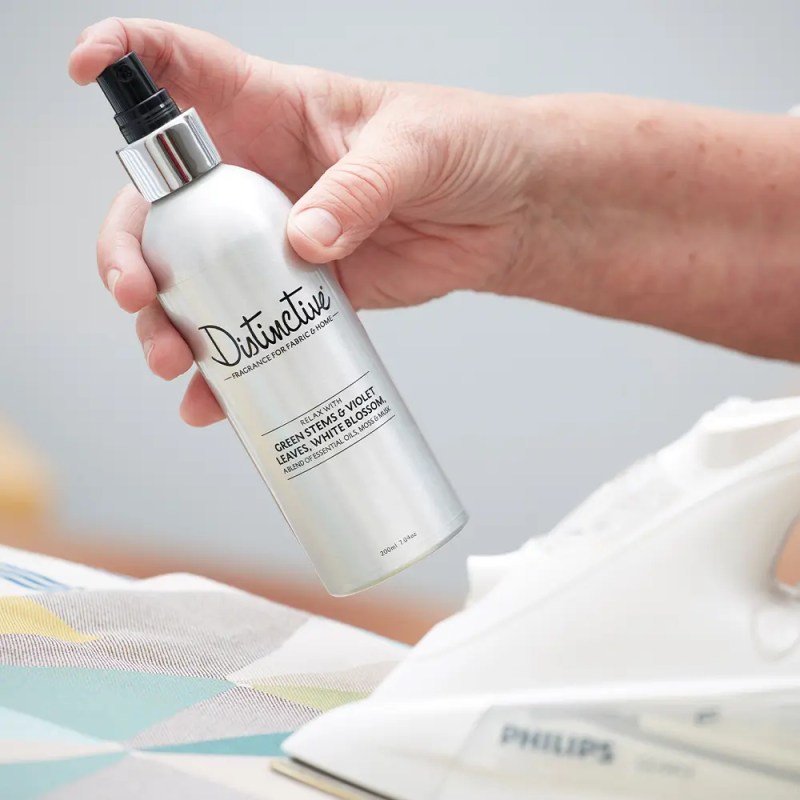
✨ Key takeaway: Drying clothes well is about more than just getting them ready to wear. With the right methods, you’ll save time, protect your fabrics, and keep your home fresh and clutter-free.

Use code Luxury5 for £5 off your next order.
Shop Distinctive and make every wash something worth looking forward to.
Freshly Washed. Beautifully Fragranced. Distinctively Yours.
Ready to elevate your laundry routine?
Explore the Distinctive collection and discover beautifully fragranced washing powder designed to make every wash feel a little more special.
Frequently Asked Questions About Drying Clothes
Both can work well. Outdoor drying offers excellent airflow when the weather is dry, while indoor drying can be effective when clothes are given enough space and the room has good ventilation
Avoid overcrowding your airer, allow air to circulate around the clothes, use a suitable spin cycle and reposition thicker garments during drying.
Laundry can develop a damp or musty smell if it takes too long to dry or does not have enough airflow. Make sure clothes are hung with space between them and are completely dry before putting them away
Start with properly cleaned laundry, dry it promptly with good airflow and make sure it is completely dry before storing it. If fragrance is important to you, air-drying can also help you enjoy the scent of your chosen laundry fragrance.
Yes. The key is to give large items plenty of space, open them out fully and reposition them during drying if necessary. Always make sure bedding is completely dry before folding and putting it away.


